Emergency Flood Response Auckland
What happens when you call, what to do safely, and how professional drying begins.
Explore service →Photos, moisture readings and restoration documentation to support your claim process.
Every water-loss situation is different. The team assesses the source, affected materials and safety risks, then creates a targeted extraction and drying plan. Moisture readings help verify progress rather than relying on appearance alone.
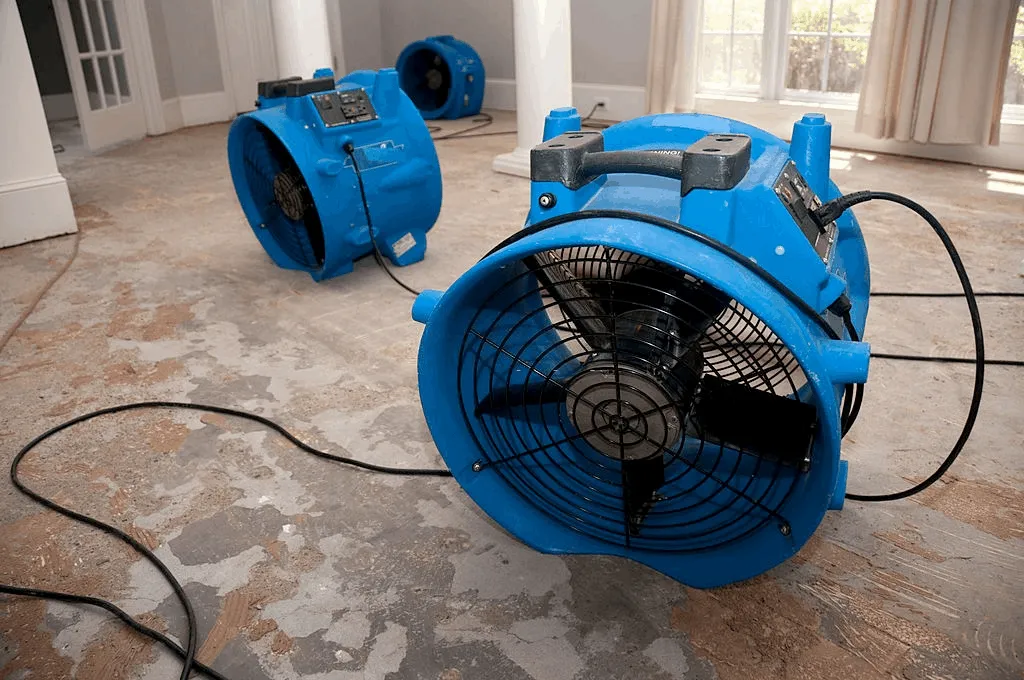
Good restoration is visible in the details: appropriate extraction, correctly positioned drying equipment, moisture checks and clear communication throughout the job.
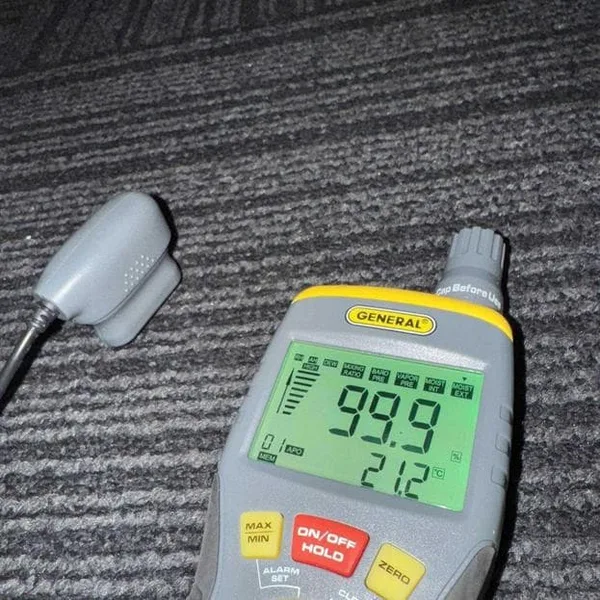
Identify the water source, electrical risk and contamination category before work starts.
Remove standing water and affected material where required to expose trapped moisture.
Balance air movement and dehumidification for the materials and conditions.
Use repeat moisture readings and documentation to confirm progress.
What happens when you call, what to do safely, and how professional drying begins.
Explore service →Find and control moisture, remove affected water and dry the building with measured results.
Explore service →Photos, moisture readings and restoration documentation to support your claim process.
Explore service →Identify immediate electrical, structural and contamination risks.
Remove water and control moisture with the right equipment.
Monitor readings and document progress toward a dry standard.
As soon as it is safe. Fast extraction and moisture assessment can reduce secondary damage.
Yes. The response area covers Central, West, South and East Auckland and the North Shore.
The restoration process can include photographs, moisture readings and scope documentation for you to share with your insurer.
Send the Auckland restoration team a few details. Your enquiry will identify floodrestorationauckland.co.nz as the source.
For electrical danger, structural instability or contaminated floodwater, keep clear and call emergency services where required.